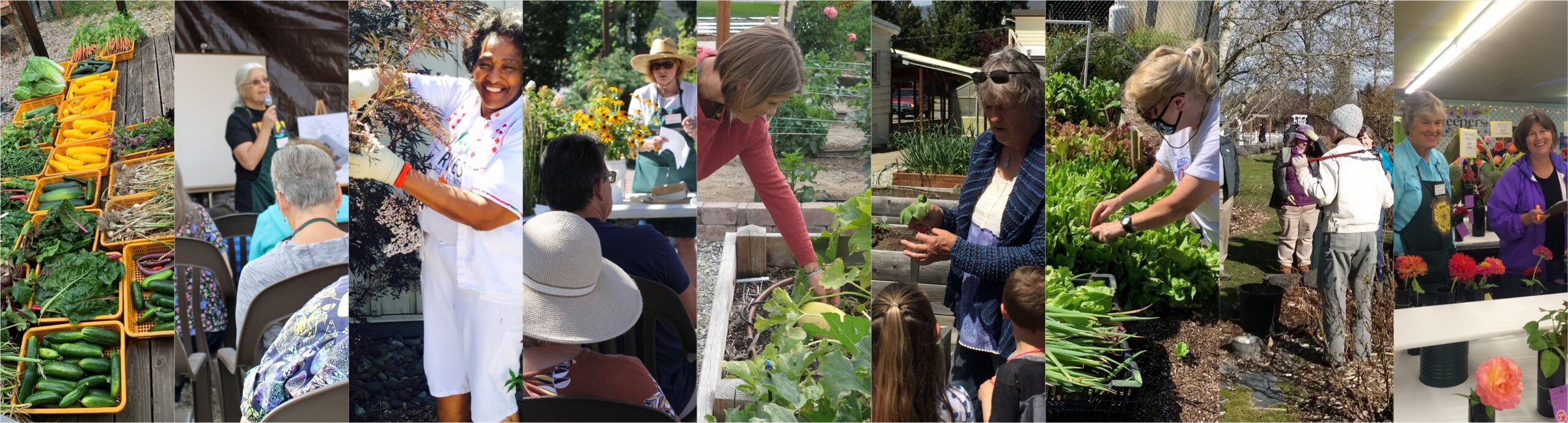
Become a WSU Extension Master Gardener volunteer
WSU Extension Master Gardener volunteer track
The application period for the Extension Master Gardener Volunteer track is now closed. It will reopen in late spring 2026—we’re looking forward to welcoming new applicants then!
About Becoming a WSU Extension Master Gardener Volunteer
Do you want to learn more about gardening, meet new people and make a difference in the community? The WSU Extension Master Gardener Program may be just right for you. You will learn science-based knowledge from WSU horticulture experts that will help you tackle the yard and garden problems that matter to you, your friends, neighbors and to your community.
| Key Components | Master Gardener Track Schedule |
|---|---|
| Delivery | Online and in-person |
| Application Period | July 1-August 30, 2025, with notice of acceptance/denial by September 15. Keep in mind that some counties might start accepting applications before July 1, and/or close their application windows before August 30. Find your county for details. |
| Registration Period | August 15-September 30, 2025 |
| Cost | Please see fee schedule |
| Workload (equivalent to 4 semester hour credits) | 180 hours over 52 weeks* • Completion of Green School (120 hours). • About 20 hours of in-person, in-county labs, activities, and field trips.** • About 40 hours volunteering as an Extension Master Gardener intern. • Be prepared to spend 6-8 hours per week studying for Green School and labs. *Potentially over 52 weeks depending on how the county manages the labs and internship. **In-person, in-county labs, activities, and field trips are organized by, and dates are published by the county. |
Step 1: Learn about our Program
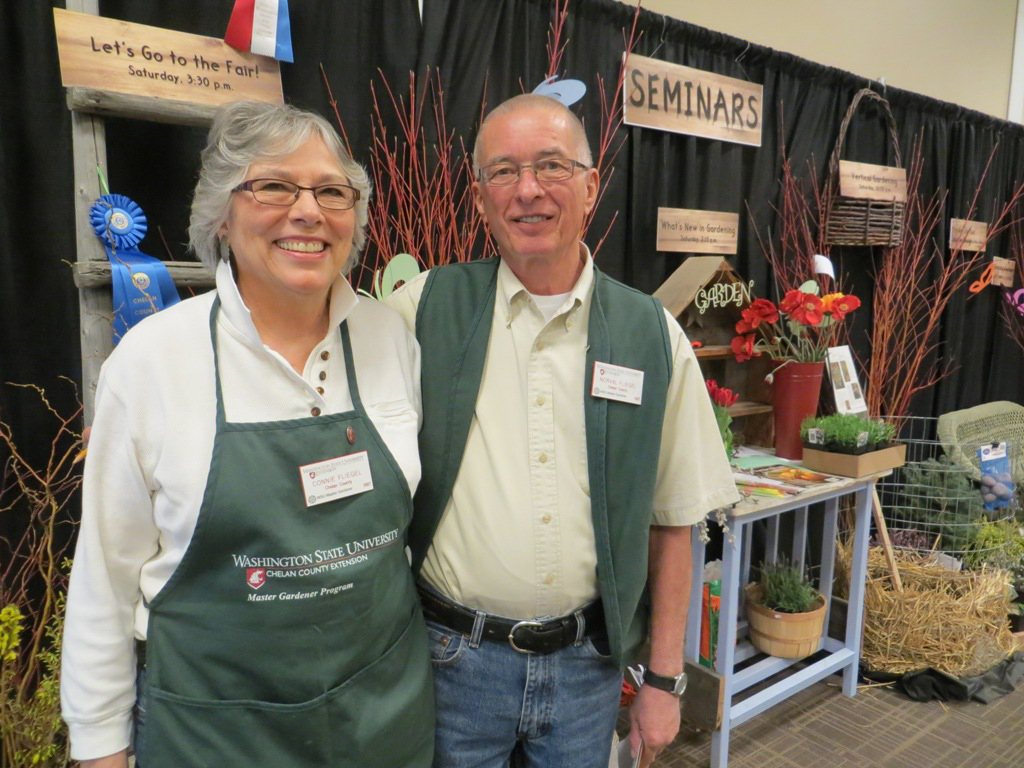
We are always looking for volunteers interested in education, outreach, and life-long learning. There is absolutely no need to be an expert or even experienced gardener. If you have an interest in gardening and want to learn more, we want you! As a WSU Extension Master Gardener, you’ll be rewarded by learning new gardening skills, making new friends, and by giving back to your community in meaningful ways.
Extension Master Gardener volunteers are university trained educators who empower and sustain diverse communities with relevant, unbiased, research-based horticulture and environmental stewardship education to address priorities like climate change and access to local food.
Newly accepted volunteers begin as interns. This means you are in training to become a certified Extension Master Gardener. We provide 120 hours of basic core training that occurs online via learning modules and webinars called Washington Green School. Extension Master Gardener interns will also participate in-person with other new interns in your local county to learn about what it means to be an Extension Master Gardener volunteer. In the in-person labs you will apply the knowledge you learn online to the real experience of being a WSU Extension Master Gardener.
Step 2: Find a Program near you
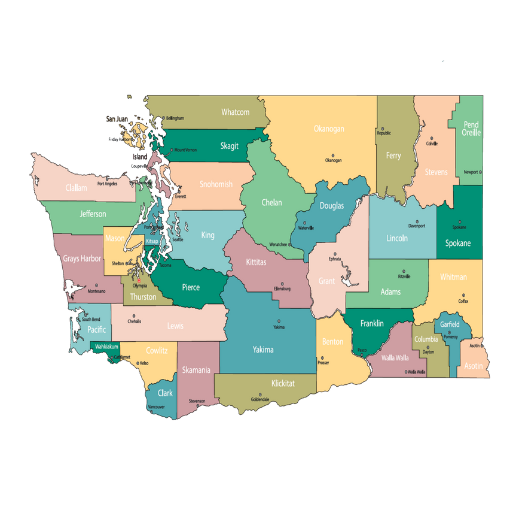
WSU Extension Master Gardeners serve in the counties where they reside and sometimes across county lines and for the entire state, too. Volunteers complete their labs in their local county. Check out the counties who are currently offering WSU Extension Master Gardener training. You are encouraged to connect with the county where you reside to apply during the open application period. The general open application period is typically July 1-August 30*, of each year.
*Important Reminder: Some counties may open registration before July 1 and/or close applications before August 30. Be sure to check your county’s schedule below and submit your application early!
Find your county
Step 3: Apply to become an Extension Master Gardener Intern
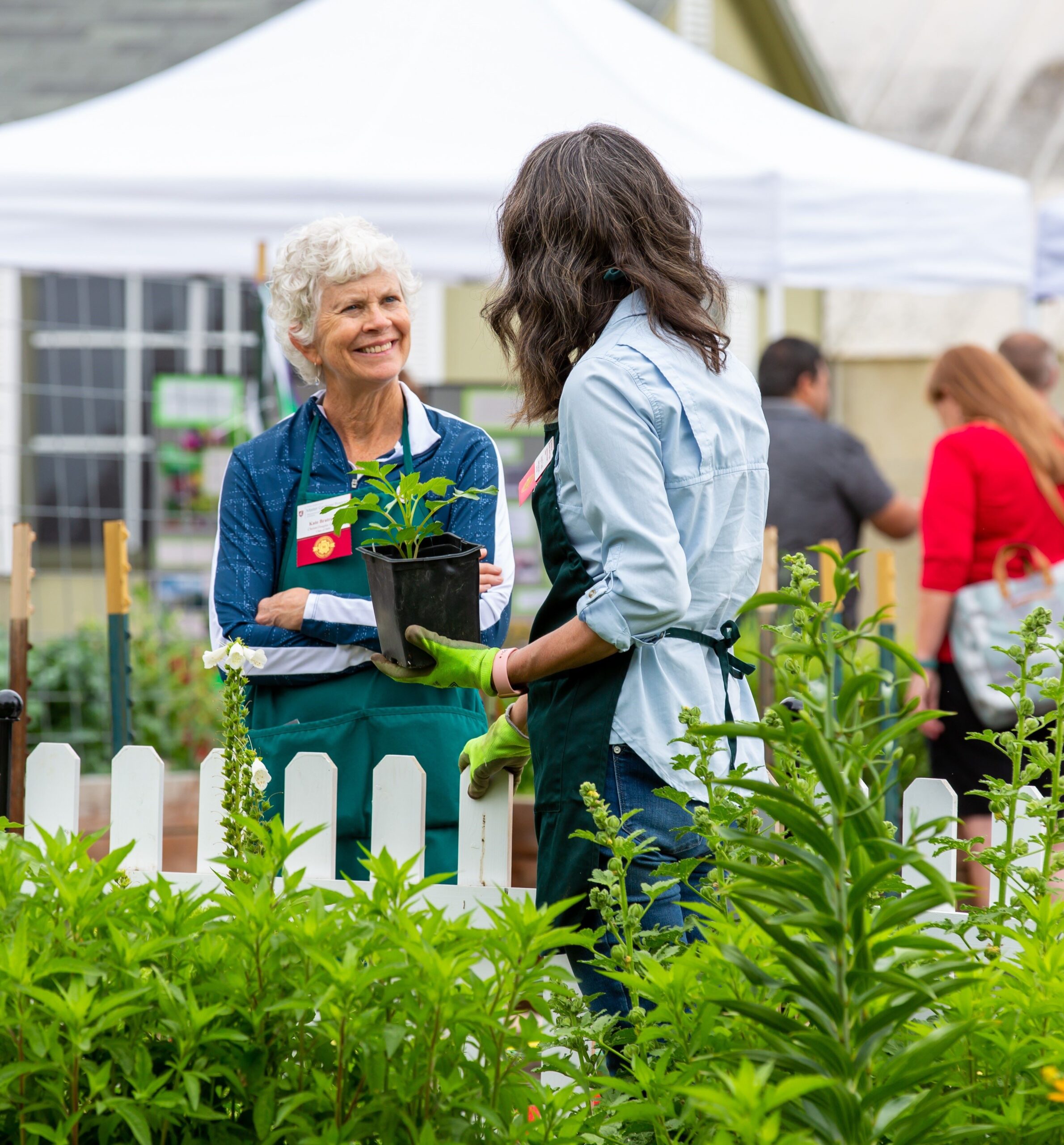
People interested in joining the WSU Extension Master Gardener Program should contact their local office for specific application materials. The open application period is July 1-August 30, of each year. Please note that some counties may have a shorter or longer application period.
Becoming a WSU Extension Master Gardener is a rewarding journey. It begins with completing and submitting an application, including agreeing to the WSU Master Gardener Program expectations, followed by an interview or orientation. This process allows us to get to know you and gives you the opportunity to learn more about what it means to be a WSU Extension Master Gardener volunteer.
Upon acceptance into the program, you will need to complete a background screening. WSU Extension Master Gardener interns must also complete Green School. All WSU Extension Master Gardeners receive comprehensive horticulture training from university faculty, staff, and specialists. This training is essential to ensure all volunteers have the necessary information to support our mission.
Step 4: Complete the Training Courses
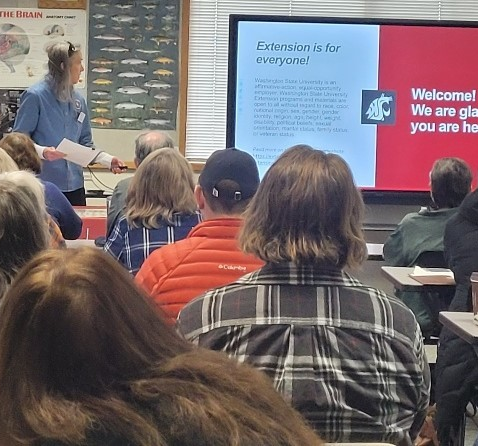
After applying, being accepted into an Extension Master Gardener volunteer program in your home county, and passing a background screening, WSU Extension Master Gardener interns must successfully complete Green School*. Regardless of your location, all WSU Extension Master Gardeners (EMG’s) receive in-depth horticulture training provided by university faculty, staff, and specialists. Training is critical to ensure that all volunteers have access to the information necessary to support our mission.
Green School offers flexible, remote and hybrid training options. This includes self-paced online classes and online review sessions with subject matter experts from WSU. Combined with in-person activities and hands-on labs (dates and times vary by local county programs), you’ll have the flexibility to learn at home and practice with fellow volunteers.
Green School Training Fees & Course Materials
2025-2026 Green School Full Course Schedule
Courses are specific to the PNW’s climate, soil, environment, insects, wildlife, and plants. Training is a big commitment and includes reading (online, no text required), homework, quizzes, in-class activities, lectures, and a final exam.
*Register for Green School: We’ll send you a registration link if accepted into the program. If you are not accepted and still want to complete Green School, we’ll send you a link to register. Registration will be open September 1-30. Classes begin October 5.
Step 5: Engage in local projects
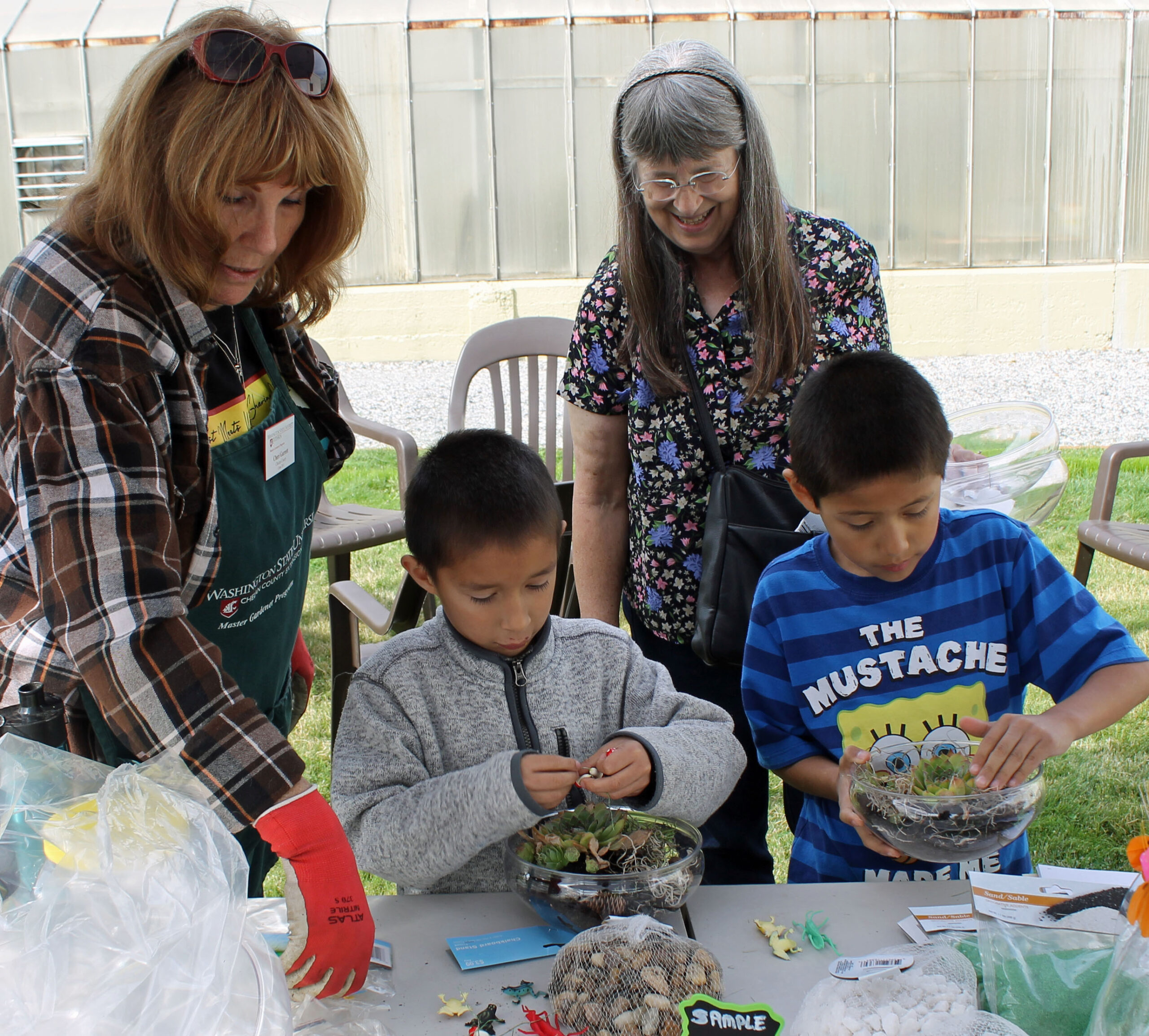
WSU Extension Master Gardener Programs statewide host educational classes, workshops, demonstrations, and field days. Through these events our university-trained volunteers bring relevant, unbiased, research-based horticulture and environmental stewardship education to their local communities.
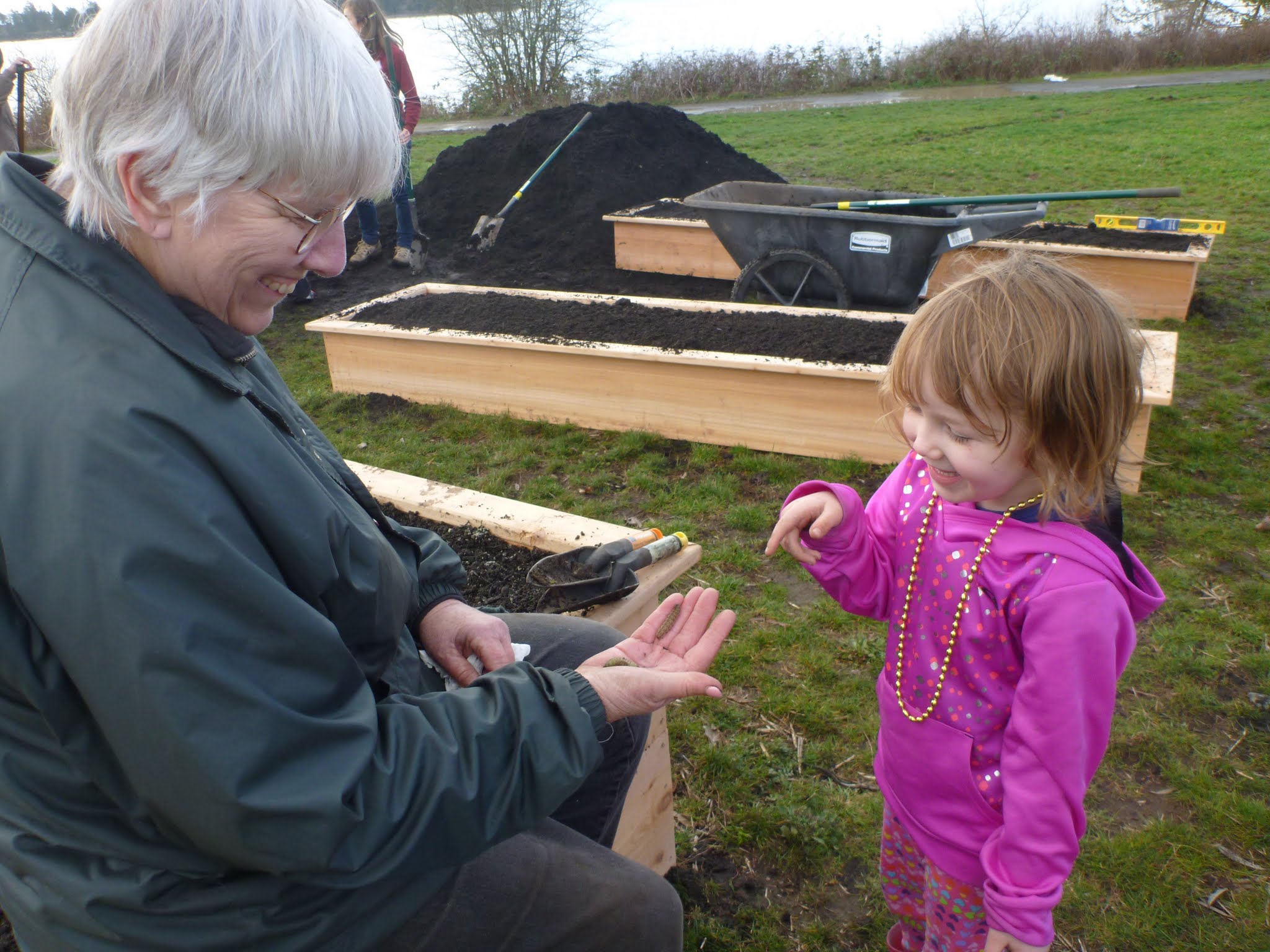
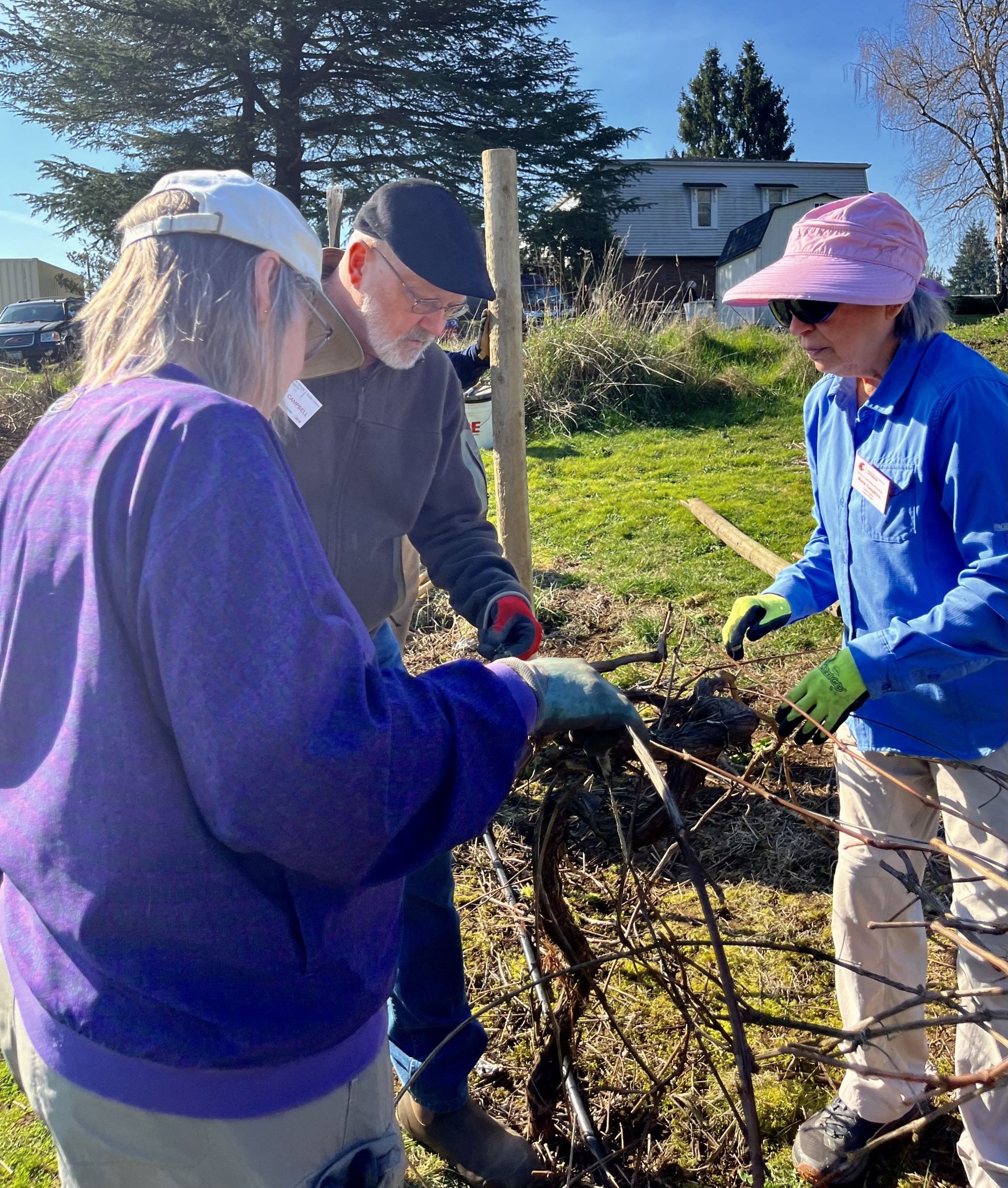
Our projects include Ask a Master Gardener where home gardeners can ask questions about plant problems, Demonstration Gardens which are outdoor classrooms where we show sustainable gardening in action, Community Gardens where we inspire people to come and grow their own food together, Youth Gardening where we inspire the next generation to steward the earth through gardening, and many other fun and interesting projects.
Step 6: Report and certify annually
WSU Extension Master Gardeners are active across the state and their impacts are impressive. We have a user-friendly reporting system so that logging hours, reporting outreach and signing up for projects is simple. We’re required to report our efforts locally and to the state annually – we want to show off the good work our volunteers are doing! Check out our Annual Reports to read more. 2024 Impact Report | Master Gardener Program | Washington State University
After we’ve put our outdoor gardens to bed, we start our annual renewal process for all Master Gardeners. Annual certification in the Extension Master Gardener Program is not automatic. After completion of Green School and your internship commitment, you will become certified. To maintain certification volunteers must give at least 25 hours of service and earn at least 10 hours of continuing education each year. Volunteers who have met the minimum requirements to remain certified will be offered the opportunity to request continuing certification for the following year.